Buying vs. Leasing: Strategy for Foreign Retirees in 2026

One of the biggest financial decisions you’ll make after moving abroad is simple—but high stakes: Should you buy or rent a house in Brazil?
Many retirees dream of owning a beachfront condo or a quiet mountain home. Others prefer flexibility and lower risk. The truth is, the right choice depends on your timeline, finances, lifestyle, and how well you understand the local market.
This guide breaks down lease vs finance decisions, buying real estate, rental strategy, and how foreign retirees should approach housing in 2026.
The Core Question: Buy or Rent a House?
 Before you think about listings or neighborhoods, ask yourself:
- How long will I stay in Brazil?
- Do I understand the local real estate market?
- Am I comfortable with legal and bureaucratic processes?
- Do I want flexibility or stability?
For most new arrivals, the answer is clear: Rent first. Buy later (if at all).
Why Renting Is the Smart First Move
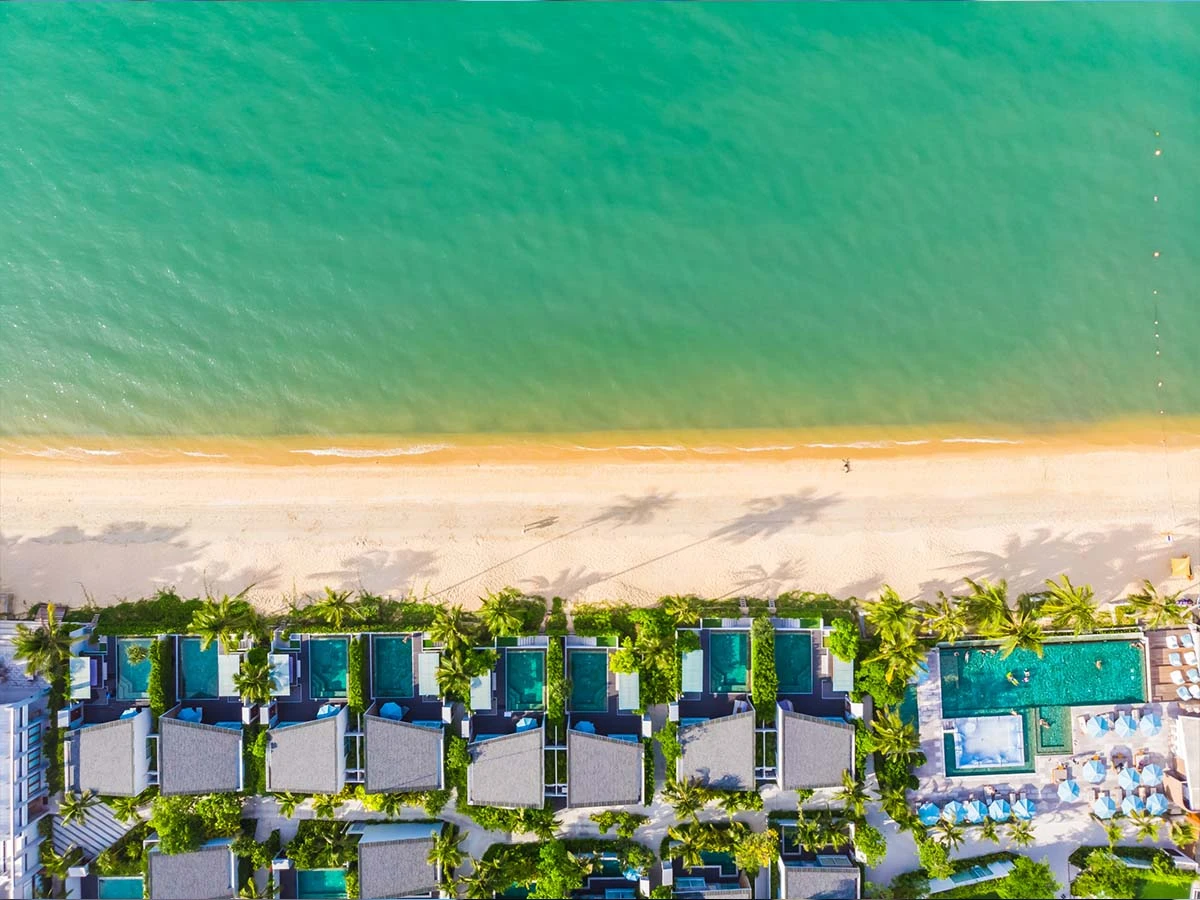 Most experienced expats recommend renting for at least 6–12 months. This gives you the flexibility to change neighborhoods, lower risk without a large upfront capital commitment, and time to learn the market.
Advantages of Renting:
- Lifestyle Testing: Beach vs city vs inland may feel very different after a few months.
- Avoid Costly Mistakes: Many retirees regret buying too quickly before understanding local nuances.
- Market Learning: You learn pricing, contract standards, and local expectations.
Apartment Homes for Rent: What to Expect
 When searching for apartment homes for rent, you’ll notice varying levels of amenities. Popular features in modern Brazilian condos include 24-hour security, parking, elevators, and shared spaces like pools or gyms.
Realtor Rentals vs Direct Listings
- Realtor-Based Rentals: Offer a more structured process and formal contracts, though sometimes at higher pricing.
- Direct Owner Rentals: Potentially lower cost and more flexibility, but require more caution and verification.
When Buying Real Estate Makes Sense
 Buying can be a good move if you plan to stay long term (3–5+ years), understand the market, and have already lived in the area.
Buying Real Estate in Brazil: Key Factors
- Property Types: Condos are most common for retirees, followed by gated community homes and beachfront units.
- Important Considerations: Property title verification, legal ownership structure, taxes, fees, and HOA (condo) costs.
Buying Income Property: Smart or Risky?
 Some retirees consider buying income property to generate rental income. While asset diversification is a benefit, risks include vacancy, property management challenges, and local tenant laws. If your primary goal is retirement lifestyle—not investing—keep it simple.
Lease vs Finance: Financial Breakdown
Renting (Leasing)
- Pros: Lower upfront cost, flexibility, lower legal complexity.
- Cons: No equity building, rent increases possible, less control over the property.
Buying (Financing or Cash)
- Pros: Long-term stability, potential appreciation, personalization freedom.
- Cons: Large upfront cost, legal complexity, market risk, maintenance responsibility.
Best Strategy for Foreign Retirees in 2026
- Rent First: Stay at least 6–12 months.
- Explore Multiple Neighborhoods: Visit during different times of day.
- Understand Pricing: Compare local listings vs expat-targeted ones.
- Build a Local Network: Meet agents and other expats.
- Decide If Buying Fits Your Life: Not everyone needs to own property abroad.
Related Guides
Conclusion
Investing in Brazil requires local insight and a long-term perspective. At Retire Brazil, we provide the data and the connections you need to make an informed decision.