Can I Retire in Brazil? The 2026 Step-by-Step Guide

Yes, you can retire in Brazil—and for many Americans, Canadians, and Europeans, it has become one of the most appealing destinations in South America. With warm weather, beautiful beaches, modern cities, lower monthly living costs, and a vibrant culture, more people are asking whether they can retire in Brazil comfortably in 2026.
Brazil offers multiple residency pathways, strong private healthcare in major cities, affordable domestic travel, and a wide variety of climates and lifestyles. Whether you want beach living, mountain air, or city convenience, Brazil has retirement options for many budgets.
This guide explains how to retire in Brazil, visa pathways, retirement age issues, costs, healthcare, taxes, and the best place to retire in Brazil based on your lifestyle.
Why Retire in Brazil in 2026?
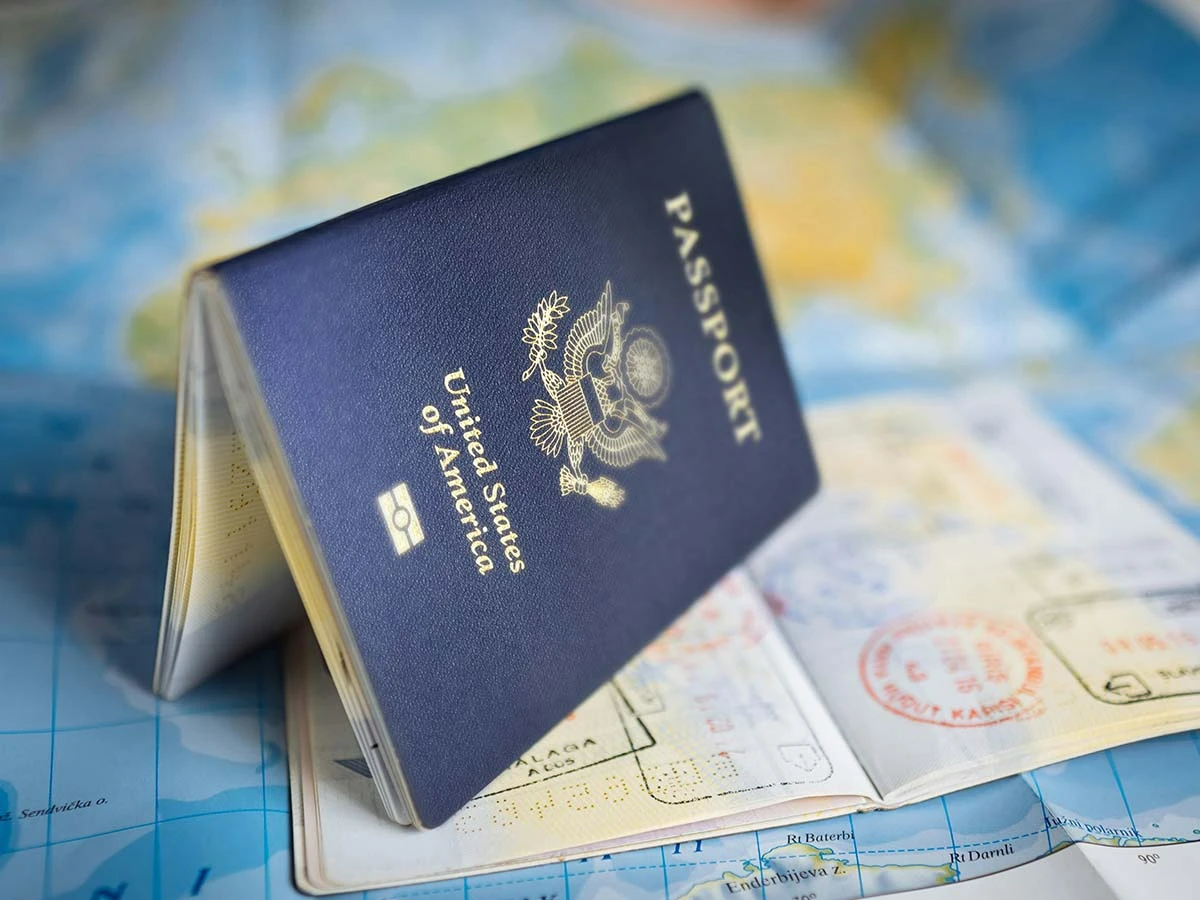 Brazil stands out because it combines affordability with quality of life. While not every region is ideal for retirees, many cities offer excellent value.
Benefits include:
- Lower monthly living costs than many U.S. metro areas
- Warm weather year-round in many regions
- Oceanfront and mountain retirement choices
- Strong private healthcare options
- Friendly local culture
- Fresh food and active outdoor lifestyle
- Large cities with airports and infrastructure
- Opportunities to rent or buy property
Many Americans retiring in Brazil are looking for a slower pace of life without sacrificing comfort.
Step 1: Decide If Brazil Matches Your Retirement Style
 Before moving, think about what type of retirement you want.
Good Fit for You If You Want:
- Beach life and tropical weather
- Lower costs than many U.S. cities
- Adventure and culture
- Big city convenience at moderate prices
- A second chapter abroad
Less Ideal If You Need:
- English spoken everywhere
- Ultra-simple bureaucracy
- Small-town U.S.-style convenience
- Immediate access to familiar systems
Brazil rewards flexible people who are open to learning and adapting.
Step 2: Understand Brazil Retirement Visa Requirements
 Brazil does not always use the phrase “retirement visa” the same way other countries do, but retirees commonly use residency options based on passive income, pensions, family ties, or investment.
- Retirement / Passive Income Residency (VITEM XIV): This is the most common route. You must prove a stable, recurring monthly income of at least $2,000 USD.
- Dependents: If bringing a spouse or children, you must prove an additional $1,000 USD per dependent.
- Investor Residency: Some retirees use business or property-related investment routes.
- Family-Based Residency: Marriage or family connections may open another path.
[!WARNING] No Income Tax Treaty: As of 2026, there is NO income tax treaty between the United States and Brazil. This means US retirees may be subject to double taxation on certain types of income. Strategic tax planning is essential.
- Proof of Income (VITEM XIV): Social Security award letters or pension statements showing at least $2,000 USD/month (plus $1,000 USD per dependent).
- FBI Background Check: Must be apostilled and translated.
- Birth/Marriage records: Apostilled and translated.
- ** Sworn Translations**: All documents must be translated by a Tradutor Juramentado in Brazil.
Because immigration rules can change, always verify current Brazil retirement visa requirements through official channels or a licensed immigration professional.
Step 3: Is There a Retirement Age in Brazil?
 There is no universal age requirement that says you must be 65 to retire in Brazil as a foreigner. What matters more is your income level and your residency category. Someone age 50 with pension income may qualify under certain programs. Read more about Brazil Retirement Visa Age.
Step 4: Choose the Best Place to Retire in Brazil
 Brazil is huge, so choosing location matters more than choosing country.
Popular Choices Include:
- Florianópolis: Often considered one of the top choices for safety and infrastructure.
- Curitiba: Great for organized urban living and cooler climates.
- João Pessoa: A rising retirement option with lower costs.
- Vitória: Underrated coastal city with balance.
Step 7: Healthcare for Retirees
Healthcare is one of the biggest reasons retirees choose Brazil. While the public system is available, most expats prefer private healthcare, which offers faster appointments and strong hospitals in major cities like São Paulo and Rio.
Step 8: Taxes for Americans Retiring in Brazil
If you are a U.S. citizen, moving abroad does not automatically remove U.S. filing obligations. Review our 2026 Compliance Guide for US Retirees.
Related Guides
Conclusion
Investing in Brazil requires local insight and a long-term perspective. At Retire Brazil, we provide the data and the connections you need to make an informed decision.