US Retirees & Brazilian Taxes: The 2026 Compliance Guide

For many Americans, moving to Brazil sounds exciting—better weather, lower living costs, and a fresh chapter of life. But there is one topic retirees should never ignore: Taxes.
Many people assume leaving the United States ends U.S. tax responsibilities. In many cases, that is not true. U.S. citizens often continue to have filing obligations while also needing to understand Brazilian tax residency rules.
This guide explains the big-picture tax issues for retirees in 2026, including expat taxes US, reporting rules, and how to stay compliant.
[!IMPORTANT] Important Disclaimer: Tax laws change, and each person’s situation is different. This article is educational only—not legal or tax advice. Always work with a licensed tax professional experienced in U.S. expat and Brazilian cross-border matters.
Why Retirees Need a Tax Plan Before Moving
 Many retirees focus on beaches and housing but forget tax residency triggers and foreign account reporting. A move without tax planning can create penalties and stress. Key areas to review include:
- Tax residency triggers
- Foreign account reporting (FBAR)
- Pension treatment
- Currency recordkeeping
Do U.S. Citizens Living Abroad Still File Taxes?
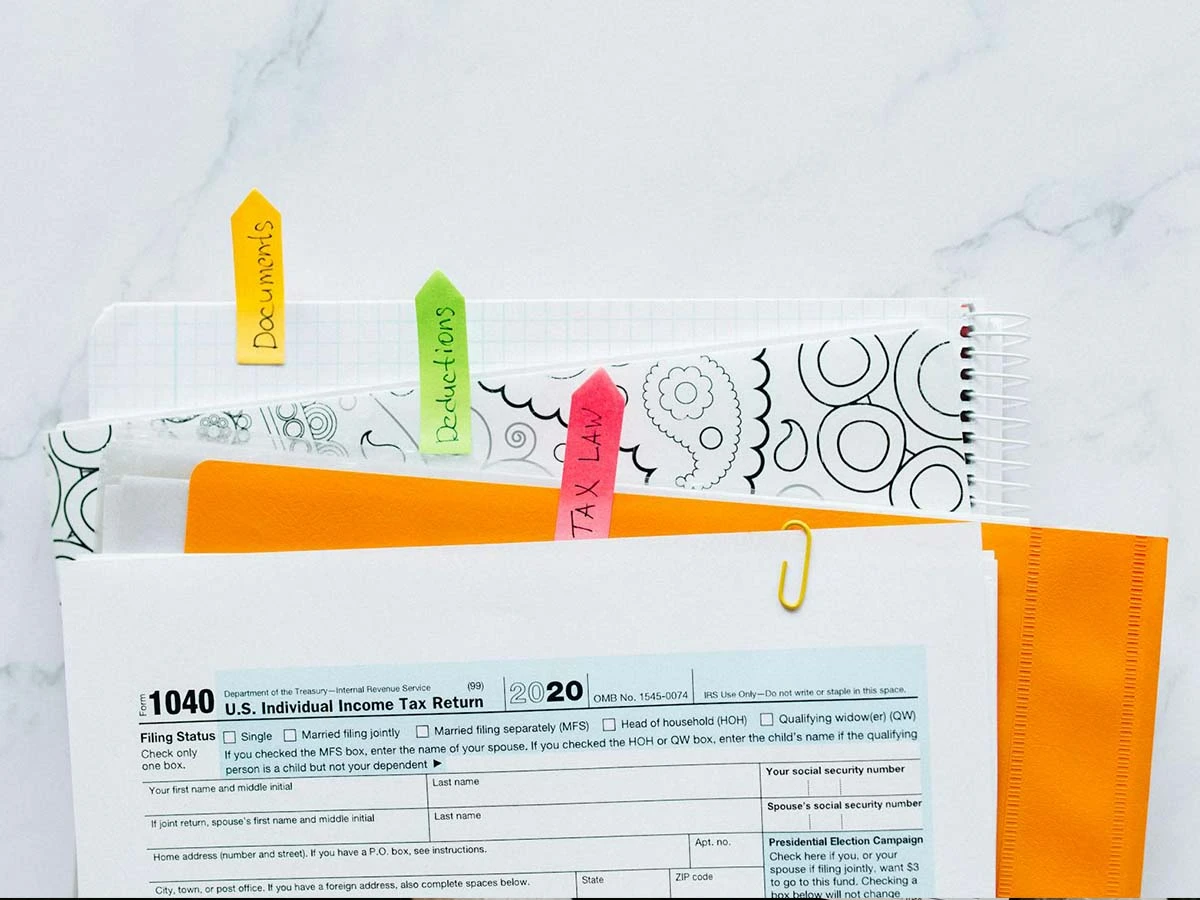 Usually, yes. The United States often taxes citizens on worldwide income and still expects annual filing if thresholds are met. This is why "US citizen living abroad taxes" is such a common search. Even after moving to Brazil, many retirees still file U.S. returns.
Common U.S. Filing Responsibilities:
- Annual federal income tax return
- Foreign account reporting (FBAR)
- Investment income reporting
- Retirement account distributions (IRA/401k)
Expat Taxes US: What Retirees Should Know
 When people search for "expat taxes US," they often wonder if they still owe money or how their pension will be treated.
[!CAUTION] The Double Taxation Risk: As of 2026, there is NO income tax treaty between the United States and Brazil. Unlike US treaties with many European or North American countries, this means there is no formal agreement to prevent double taxation on certain income types. While the Foreign Tax Credit (FTC) can often mitigate this, the lack of a treaty makes professional cross-border planning mandatory.
Brazilian Tax Residency Basics
 Brazil has its own rules regarding when a foreigner becomes a tax resident, which can depend on the length of stay and visa type. Once you become a tax resident, local reporting obligations may apply to your worldwide income.
FBAR Instructions: Foreign Accounts Matter
 If U.S. persons hold qualifying foreign financial accounts (like a Brazilian bank account) over certain reporting thresholds, separate reporting is required. Failure to report can create serious penalties, which is why following FBAR instructions precisely is essential.
Common Mistakes Retirees Make
- Assuming Moving Ends U.S. Taxes: This is rarely true for citizens.
- Ignoring Foreign Accounts: A major risk area for penalties.
- Waiting Until the Deadline: Cross-border returns are complex and need more time.
- Using Non-Expat Preparers: Specialized knowledge of international rules is vital.
2026 Compliance Checklist
Before Moving:
- Review likely tax residency timing.
- Meet with an expat tax advisor.
- Gather prior returns and income documentation.
After Arrival:
- Open local accounts carefully.
- Track residency dates (days spent in the country).
- Save all financial statements.
Related Guides
Conclusion
Investing in Brazil requires local insight and a long-term perspective. At Retire Brazil, we provide the data and the connections you need to make an informed decision.